
Living in a utopia, a perfect world of peace and harmony — whatever form that might take — is what most people would tell you they’re after in life. But what if that utopia was forced upon you? Is a “perfect” world worth it at the risk of freedom and individuality?
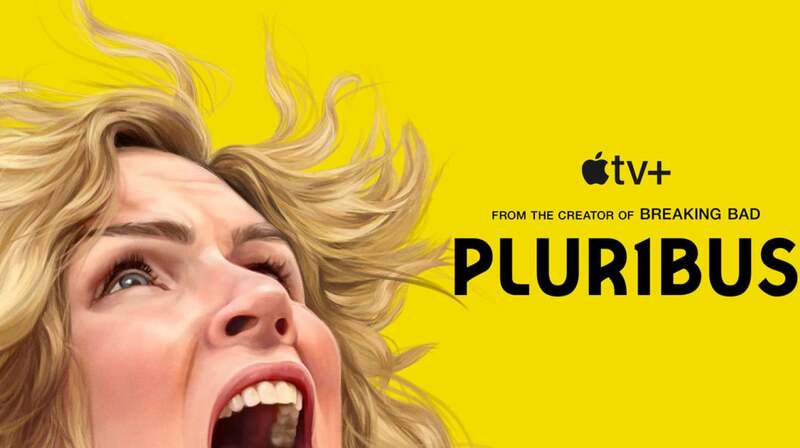
That’s the premise of Apple TV’s new hit TV show Pluribus. The show, the latest from Vince Gilligan of Breaking Bad and Better Call Saul fame, follows a handful of people who have refused to be assimilated into just such a forced utopia, caused by an alien virus that makes everyone on Earth perfectly happy and unyieldingly accommodating, except for that group of immune survivors.
The cast of Pluribus is designed to explore many of the different aspects and angles of what it means to live in a world where a utopian state is installed against everyone’s will and toxic positivity and forced happiness become the norm. Some survivors actively fight it, while other indulge in the benefits of it. Here’s your guide to the characters on Season 1 of Vince Gilligan’s Pluribus on Apple TV.
You can watch Pluribus, Breaking Bad and Better Call Saul right on DIRECTV! Sign up today to start watching.
‘Pluribus’ Full Cast & Characters
Here’s a breakdown of the main characters on Pluribus and who’s playing them.
WARNING: Spoilers for Pluribus Season 1 ahead!
Rhea Seehorn as Carol Sturka
Known for: Better Call Saul, Veep, The Twilight Zone
Carol Sturka is the main character of Pluribus. Played by Rhea Seehorn, she’s a fantasy/romance novelist living in Albuquerque, New Mexico. Despite being generally successful as an author, Carol secretly despises her books and the adoring fans they’ve brought her, calling the stories “mindless crap” and resenting the expectations placed upon her.
When a mysterious, extraterrestrial global virus triggers an event known as the “Joining,” where nearly all of humanity is transformed into a unified, peaceful hive-mind (the “Others”), Carol is one of only a handful of immune survivors. Suddenly thrust into isolation in a world of forced bliss, she becomes the reluctant — but morally driven — resistor. Where others surrender to the collective, Carol refuses to accept a future without grief, individuality or dissent. Her grief over what the world has lost, rage at stolen humanity and guilt for surviving fuels her quest to understand, oppose and possibly reverse the horrific “happiness.”
Carol’s journey is not heroic in a typical sense. She’s flawed, irritable, scarred by loss and skeptical of hope. But in that very bitterness lies her strength: She questions whether a world without suffering is truly worth living, and whether consent, memory and loss are essential parts of humanity. She becomes the emotional anchor of the show’s moral and existential crisis: Is an enforced utopia worse than living freely, despite having to experience pain and suffering?
Karolina Wydra as Zosia
Known for: After, Europa Report
Zosia is an “Other,” the term the survivors use for members of the viral global hive mind and functions as Carol’s assigned companion and guide in the new world. Calm, composed and eerily empathetic, she serves as the human…ish interface between the collective consciousness and the few remaining individuals who resist assimilation. In meeting Carol, Zosia embodies what humanity has become: United, peaceful, omniscient and completely devoid of individuality.
Zosia serves as more than just guide for Carol, however. The show uses her character to reveal what the hive sees as “humanity reborn”: a communal memory, shared identity and universal acceptance. Zosia forces Carol to confront whether loss of self is an acceptable price for global harmony. Her presence is both comforting and deeply unnerving.
Because of her intimate relationship to both the collective and Carol’s outsider status, Zosia becomes a complicated figure: Part human, part instrument. Her calm professionalism hides a weighty responsibility, and when Carol begins to probe the hive’s secrets to test whether the Joining can be undone, Zosia becomes a tragic fulcrum between hope and horror.
Carlos-Manuel Vesga as Manousos Oviedo
Known for: The Hijacking of Flight 601, News of a Kidnapping
Manousos Oviedo is another of the rare immune survivors. He’s a self-storage facility manager from Paraguay and, unlike Carol, he takes a more detached, pragmatic approach to the new pandemic-induced world. He refuses to engage with the Others, declines to be assimilated, avoids contact and appears especially skeptical of any potential “cures.”
His survival strategy is one of isolation and survival through distance and disengagement. Manousos represents a quieter, lonelier path: Refusing compliance, but also refusing hope or heroism. When Carol contacts him seeking solidarity or alliance, he rebuffs her. His rejection is cold, perhaps even resentful.
As a result, Manousos becomes a powerful foil to Carol. Where she fights emotionally, morally and aggressively, he chooses detachment, representing a sort of opposite state from that of the Others.
Miriam Shor as Helen
Known for: American Fiction, Younger, Guardians of the Galaxy Vol. 3
Helen is both the public-facing manager and the private romantic partner of Carol. Before the catastrophe, Helen oversaw Carol’s book tours and career and shared a long-term romantic relationship with her.
When the alien-derived virus known as the “Joining” sweeps the globe and the hive-mind takes hold, Helen is among the first victims. In a harrowing scene during the outbreak, she collapses, suffering a fatal blow to the head before the transformation can complete. This tragic loss becomes Carol’s emotional anchor and primary motivation for resisting the hive mind’s forced “happiness.”
Helen’s death is deeply symbolic. She represents what’s lost when humanity is subsumed: love, individuality, grief, memory and personal connection. Without Helen, Carol is left utterly alone, and her grief becomes a driving force for her resistance. The early and personal nature of Helen’s demise underscores the series’ darker themes: The true horror isn’t dying in a pandemic, but the eradication of what makes us human.
Peter Bergman as Davis Taffler
Known for: The Young and the Restless, The King of Queens, All My Children
Davis Taffler serves as the government’s messenger after the outbreak. He is the U.S. Under Secretary for Agriculture before the Joining and becomes the public face of the new reality once the hive mind emerges. Shortly after being infected, he appears on national broadcast/media and addresses the few immune survivors to explain the scope of what’s happened.
In his televised message, Taffler calmly delivers horrifying news: Nearly all of humanity has been subsumed into a collective consciousness. He informs Carol she is among a very small handful of people still uninfected, and that the hive mind intends to assimilate her eventually. He attempts to reassure — offering support, supplies and help if she “needs anything.” His tone is bureaucratic, polite and unnervingly composed.
Taffler’s role is crucial narratively and thematically. He anchors the cosmic horror of the Joining in worldly, governmental authority. Through him, the series frames the apocalypse as not only a biological or alien event, but a political and social shift: The collapse of individuality enforced through institutional calm. For Carol, Taffler makes her realize that the hive mind is not only vast but organized, omnipresent and seductive.
Samba Schutte as Koumba Diabate
Known for: Our Flag Means Death, 9-1-1
Koumba Diabaté is another immune individual. He’s from Mauritania and responds to the Joining not with resistance or isolation, like Carol or Manousos, but with hedonistic embrace. Soon after surviving the outbreak, he indulges in a lavish, pleasure-seeking lifestyle made possible by the accommodating nature of the Others. Rather than fight the new world, he jumps right in and exploits it.
In the second episode, when Carol insists on meeting other survivors, Koumba appears — unabashedly — on what looks like a private jet. His presence, and the ease with which he accepts the new order, stands in stark contrast to Carol’s grief and rage. Rather than mourn or reject the hive, he seems comfortable thriving in it. For Koumba, the world’s forced utopia is not a tragedy — it’s an opportunity.
Koumba is a complex character. He’s charismatic and fun but deeply unsettling in his willingness to take advantage of the situation. He serves as a lens to explore the danger of surrender, complacency and exploitation in a world where free will is surrendered in favor of comfort.
Watch ‘Pluribus’ on Apple TV with DIRECTV
You can watch Pluribus and other Vince Gilligan shows on Apple TV through your DIRECTV subscription. Sign up today and get started!

Frequently asked questions
What is Pluribus on Apple TV about?
Pluribus is about an alien virus that turns almost all of the world's population into perfectly happy and accommodating people living in a forced utopia, while 13 survivors navigate life in the new normal.
What is Pluribus creator Vince Gilligan known for?
Vince Gilligan is the mind behind hit shows Breaking Bad and Better Call Saul.
DIRECTV Insider brings you our views on what’s happening in streaming, t.v., movies and sports. Companies and persons mentioned are not necessarily associated with and do not necessarily endorse DIRECTV. We will disclose sponsored content on our site when we show it to you, and some of the links on the site may be ads or affiliate links which means DIRECTV may earn compensation from your purchases.