What are you looking for?
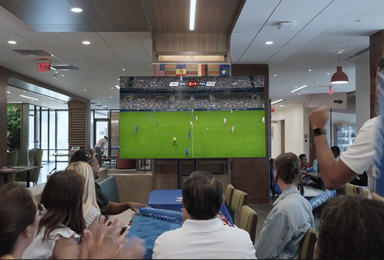
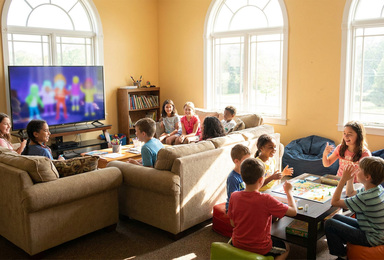
Non-profit TV service can play a meaningful role in helping organizations create more welcoming, supportive spaces for the communities they serve. From waiting areas and community rooms to shelters, youth centers, shared lounges, and volunteer spaces, television can provide entertainment, information, and a sense of comfort in environments where connection matters. In many nonprofit settings, TV and entertainment can help create meaningful connections and make everyday spaces feel calmer and more inviting for guests, staff, and volunteers alike.
This non-profit TV service hub brings together insights, guidance, and updates for organizations exploring how television can support daily programs, visitor experience, and community engagement. Explore how TV and entertainment solutions can support nonprofit missions, learn why nonprofit organizations can benefit from television service, and find guidance for choosing a TV provider that fits an organization’s needs. You’ll also find ideas for creating more comfortable shared spaces, offering familiar entertainment, and helping staff, volunteers, and community members stay connected to news, sports, and other programming.
Television can help support both function and atmosphere in nonprofit environments. It can make waiting areas feel more welcoming, add useful background content to shared spaces, and create moments of comfort in facilities where people may be navigating uncertainty or transition. Whether an organization is improving a community room, refreshing a waiting area, or exploring new ways to enhance its environment, these resources can help illustrate how TV supports comfort, connection, and community.
Ready to explore entertainment solutions for your organization? Learn more about DIRECTV TV solutions for nonprofits.